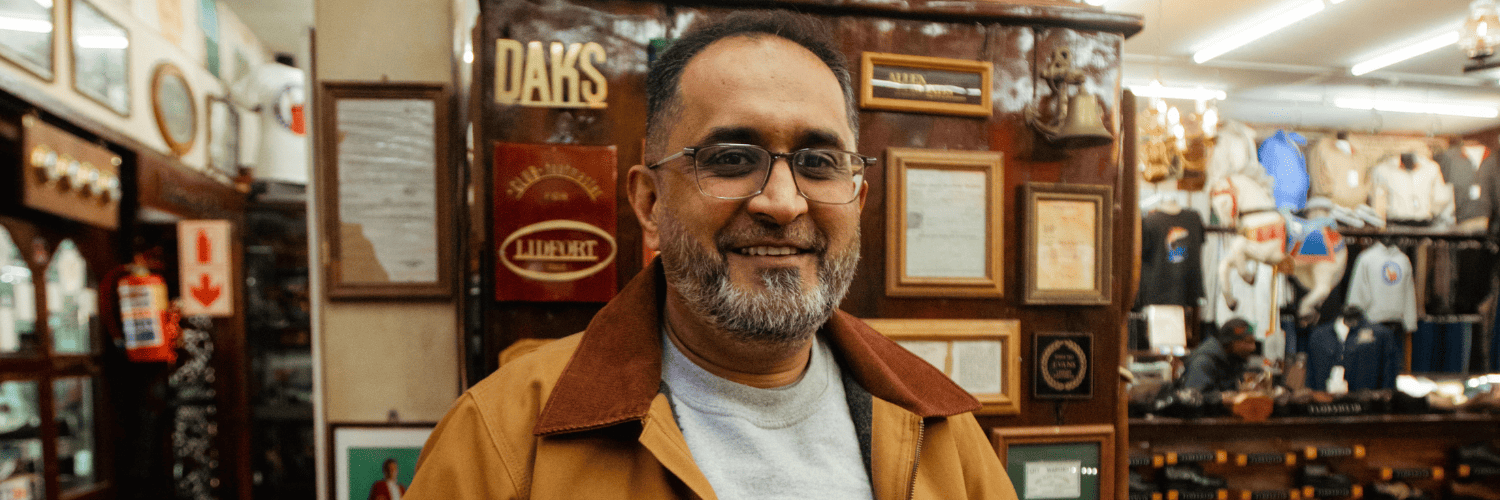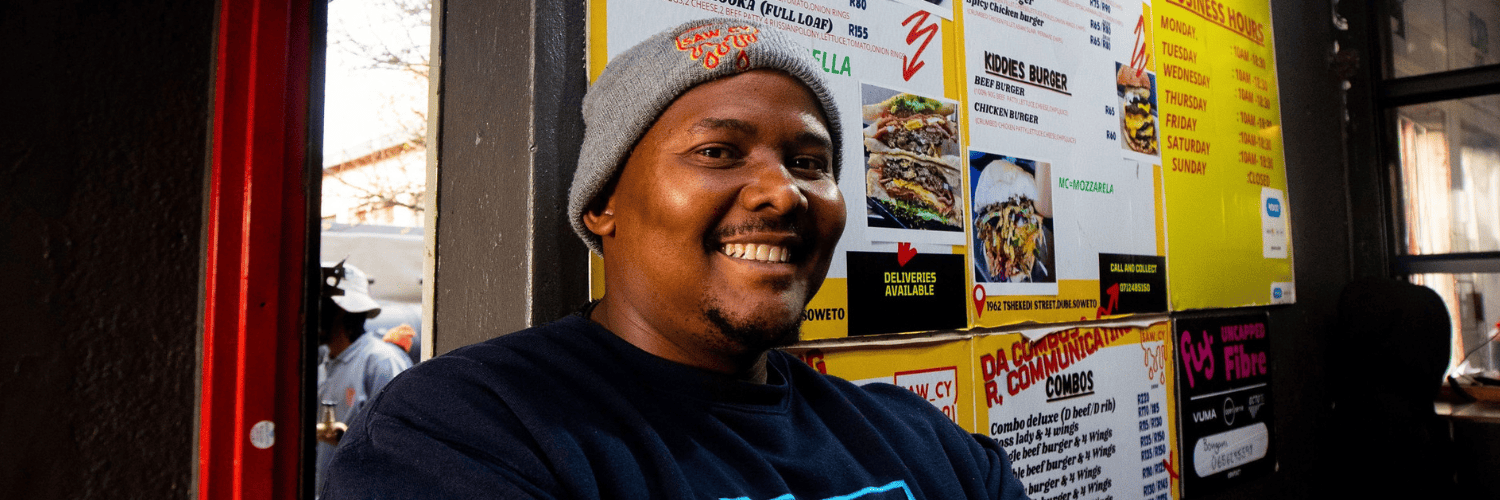




They think I’m evil when it comes to music, but I’m just a cool person, man. Personally, I’m a chill guy.
In a digital era where headlines and viral clips dictate artist personas, breaking through the
noise to find the actual person behind the music is rare. When sitting down with Zama Zama
Mag, South African hip-hop artist Usimamane cleared the air early. Behind the heavy hits and
the online perception lies a straightforward reality: he is just a human being navigating his rise.
“I really don’t blame people, because they see what they see on online media and stuff,”
Usimamane admits with a laugh. “In my personal life, I just feel like they kind of get the idea that
I’m just a musician… They think I’m evil when it comes to music, but I’m just a cool person, man.
Personally, I’m a chill guy.”
That calm demeanor contrasts with the sharp, street-smart delivery that defines his music—a
sound rooted heavily in his background and environment.
Roots, Codes, and the Art of Delivery
When asked about the forces shaping his sonic identity, Usimamane immediately points back
home. His upbringing doesn’t just inform his context; it dictates the mechanics of his pen.

Where I’m coming from plays a huge role because of what I see every time I step outside the house.
“Where I’m coming from plays a huge role because of what I see every time I step outside the
house—what I speak about in the music that I put out, whether it be the lingo or the lyrics,” he
explains. For Usimamane, it isn’t just about documenting reality; it’s about the stylistic choices
used to communicate it. “The way we sing stuff, speaking in codes—yeah, just making
everything look cool because of the lingo and also the delivery, how we deliver certain words.”
Cross-Cultural Connections: From Braam to Cape Town
While his foundation remains firm, moving through new creative spaces has broadened his
palate. Aside from his current environment in Braamfontein, he finds an unexpected kinship in
Cape Town’s culture.
“I’d say Cape Town culture really inspires me a lot because they’re not too different from what I
grew up on,” Usimamane reflects. “We kind of share the same struggles, and we kind of have
the same opportunities, which are very small. Somehow, we tend to make it happen regardless.”
This shared resourcefulness—turning minimal access into cultural impact—resonates deeply
with his approach to the game.
Inspiration: From Local Icons to Personal Benchmarks
Usimamane’s creative engine is fueled by both past precedents and future potential. Growing up
in Umlazi, seeing local figures break global barriers provided the original blueprint.

We kind of share the same struggles, and we kind of have the same opportunities, which are very small. Somehow, we tend to make it happen regardless.
“What used to inspire me back then used to be where I’m coming from—the place, Mlazi—and
people who made it coming from where I’m coming from,” he says, referencing global
powerhouse Black Coffee as an early anchor, alongside hip-hop titan Nasty C as a key
influence. “That’s always been the biggest inspiration.”
Yet as his career scales, the benchmark has shifted inward. Inspiration now comes from testing
his own limits and building on his recent milestones.
“Right now, it’s what I’m exposed to and also what I’ve done. That pushes me—that if I can do
something like this, then I can just take it farther. Every time I’m working on something, I just feel
like I can do better. It’s what I’m exposed to now, and the people I used to look up to back then.”
For Usimamane, the music remains a mirror of his surroundings and growth, but off the mic, the
goal is simple: staying grounded while pushing the culture forward.