



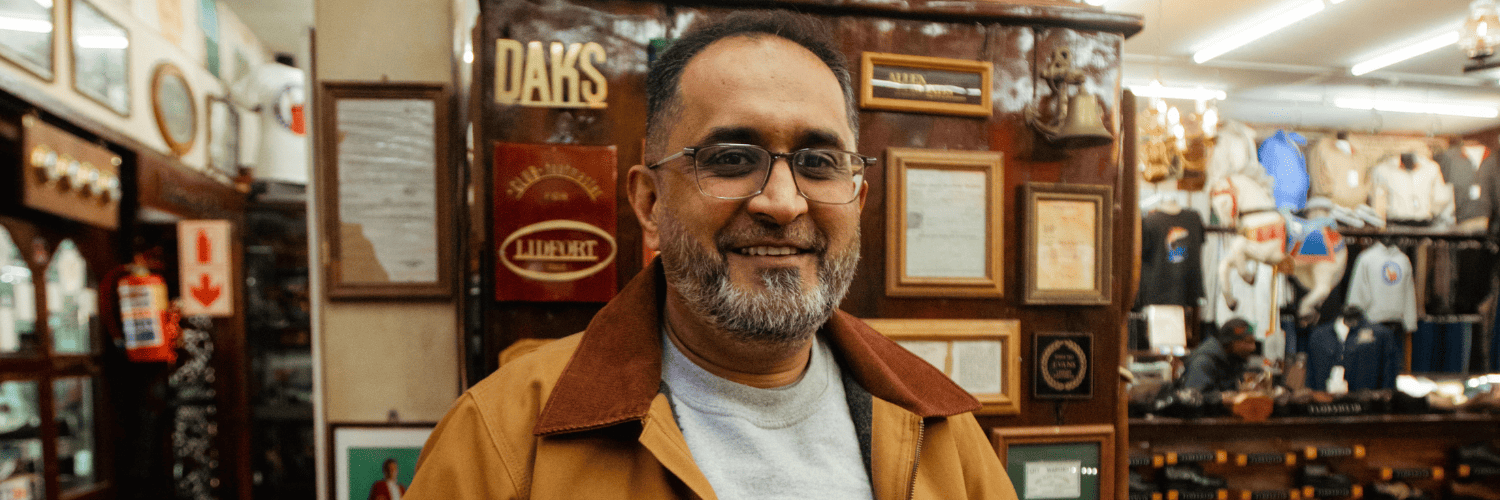
Unfollow the crowd. Be an innovator and a leader.
For nearly a century, City Outfitters has remained connected to the people, styles and culture
that have shaped South African fashion.
In a fashion landscape where trends can appear overnight and disappear just as quickly,
longevity means something. For City Outfitters, longevity is more than simply surviving—it is
about remaining connected to the people who give fashion its meaning.
The brand’s philosophy has always leaned towards individuality. One of its longstanding
slogans, “unfollow the crowd,” speaks to an approach built around innovation rather than
imitation. As an independent store, City Outfitters has also maintained a direct relationship with
its customers, allowing the business to understand the market from the people who are actually
shaping it.
That connection became particularly significant through the store’s relationship with Pansula
culture.
City Outfitters established itself as a destination for heritage and quality brands, stocking names
such as All Stars, Dickies and Vans. For generations of customers, it became a place to find
pieces that could become part of a much bigger expression of identity.
As fashion began crossing paths with the Pansula movement, the relationship developed
naturally.
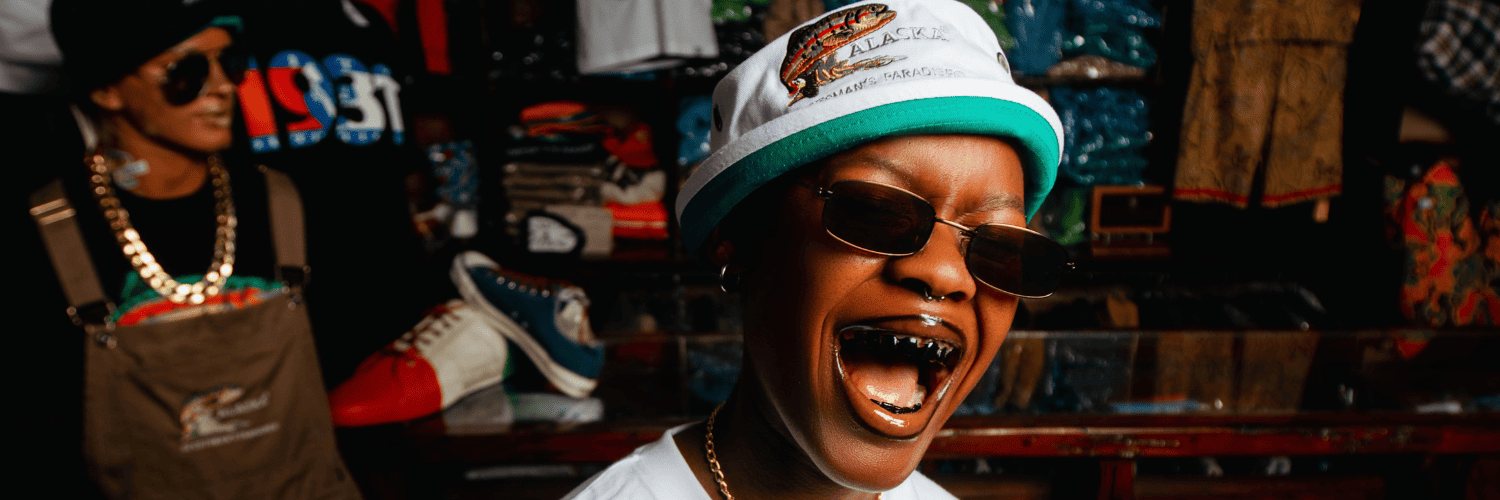
The artistic expression shown through fashion, dance and culture is deeply rooted in kasi life.
Today, City Outfitters is recognised as a destination for Pansula clothing and style—a place
where fashion connects directly to a subculture deeply rooted in kasi life.
But Pansula is about far more than clothing. Its development was shaped by the social
conditions surrounding township life and the history of apartheid. Fashion became one of the
ways people could tell their stories, express pride and present themselves with confidence and
dignity.
To dress well was, in many ways, an act of self-expression. That history remains important to
City Outfitters because the clothing represents something larger than the garments themselves.
Pansula culture has evolved through fashion, dance, music and a distinctive visual language,
with its roots firmly planted in the communities that created it.
For someone encountering Pansula culture for the first time, the hope is that they leave with an
appreciation for that history—not simply an appreciation for the look.
City Outfitters has its own history worth understanding. The business began in 1931 as a
general dealer, operating as what was then referred to as a “native store”—a reflection of the
racial and economic realities of South Africa at the time. The store supplied everyday goods
ranging from blankets and cosmetics to baby and children’s wear.
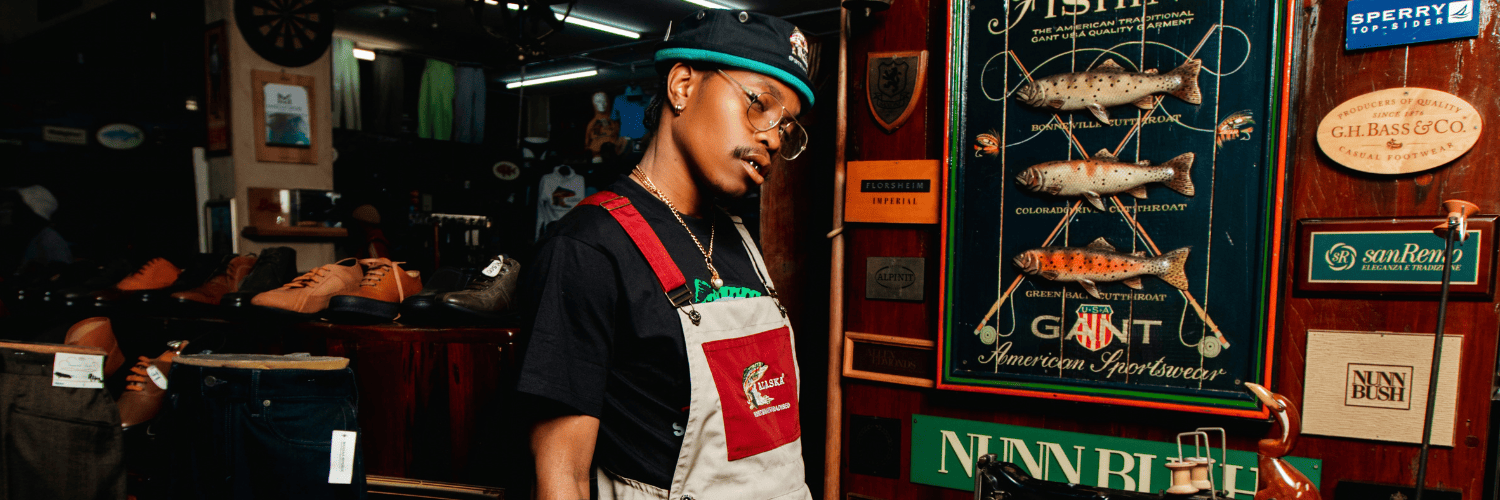
It was only in the ’60s when my late dad came into the business that he transformed it into an exclusive menswear store.
It was only in the 1960s, when the founder’s son entered the business, that its identity began to
shift. With a passion for fashion and style, he transformed the store into the exclusive menswear
destination that customers know today.
Decades later, that transformation continues to shape the business. Now in its third generation,
the family remains involved in City Outfitters, carrying forward a business that is approaching its
95th year. That kind of continuity is rare. But perhaps what makes the story particularly relevant
today is that City Outfitters has not simply preserved its history—it has remained part of a living
culture. From heritage brands to Pansula style, from township life to contemporary fashion, the
store exists at a point where history and the present continue to meet.
In a world constantly looking for what comes next, City Outfitters offers another perspective:
sometimes the future of fashion can be found by understanding where it came from.