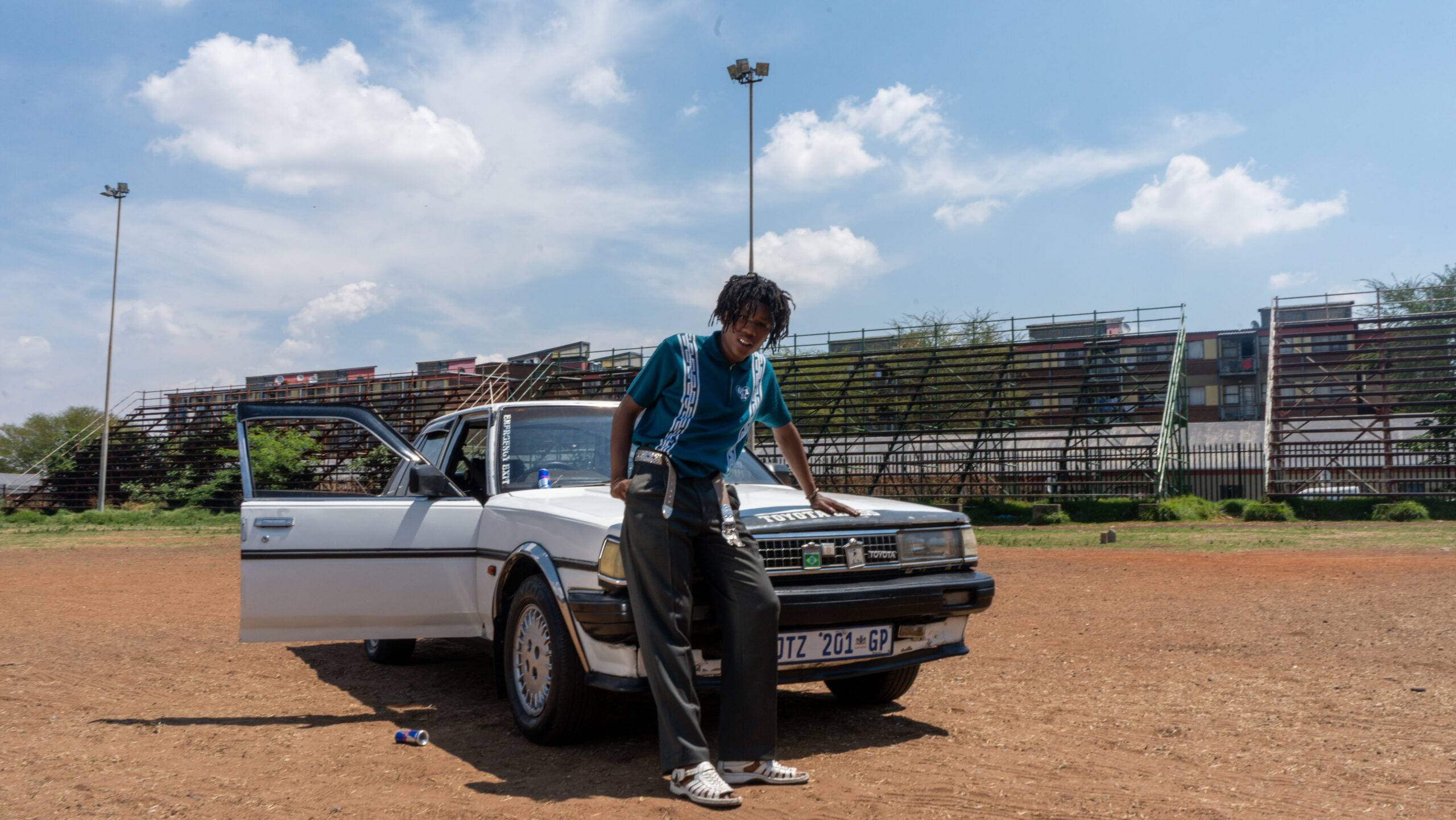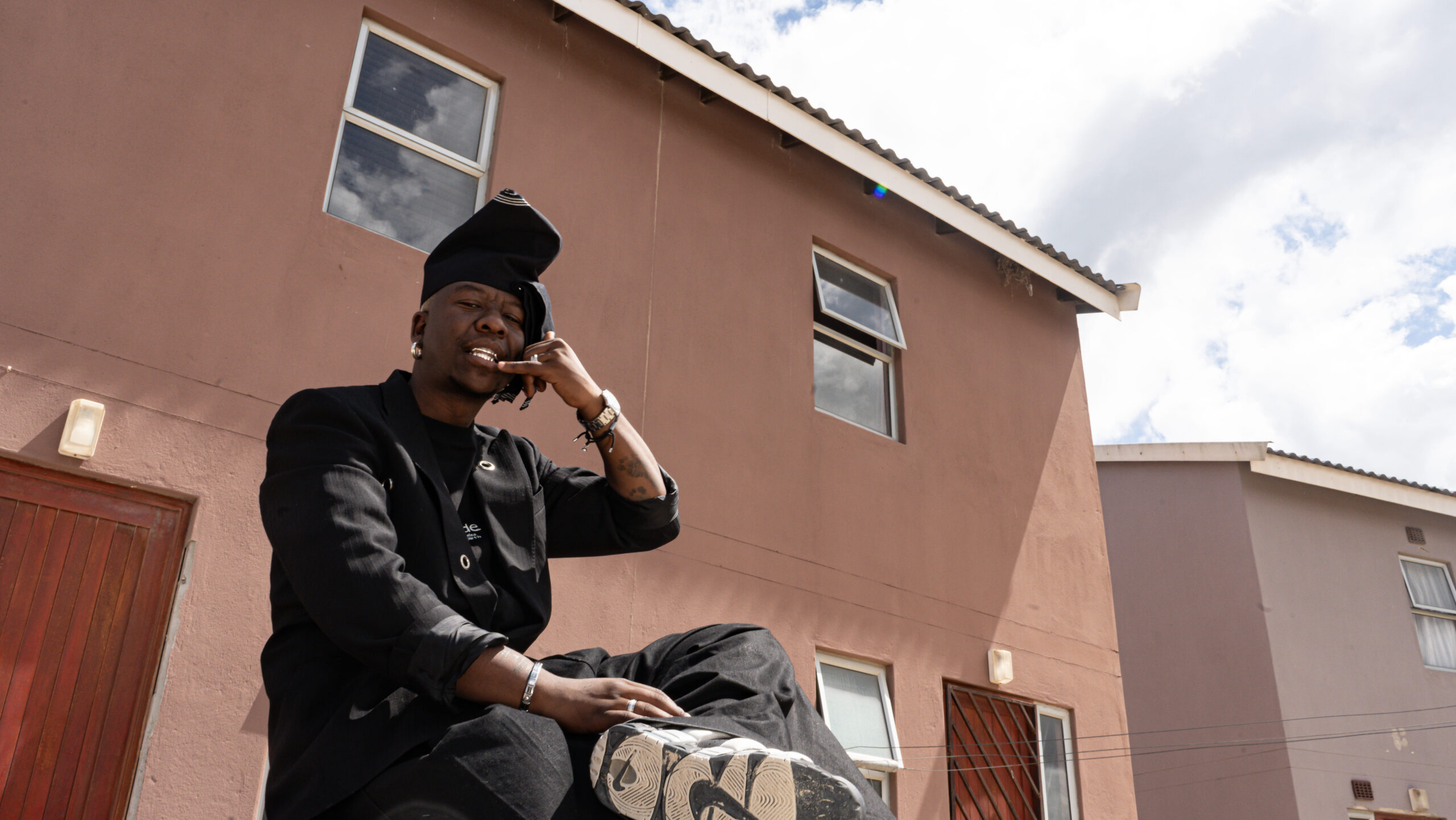



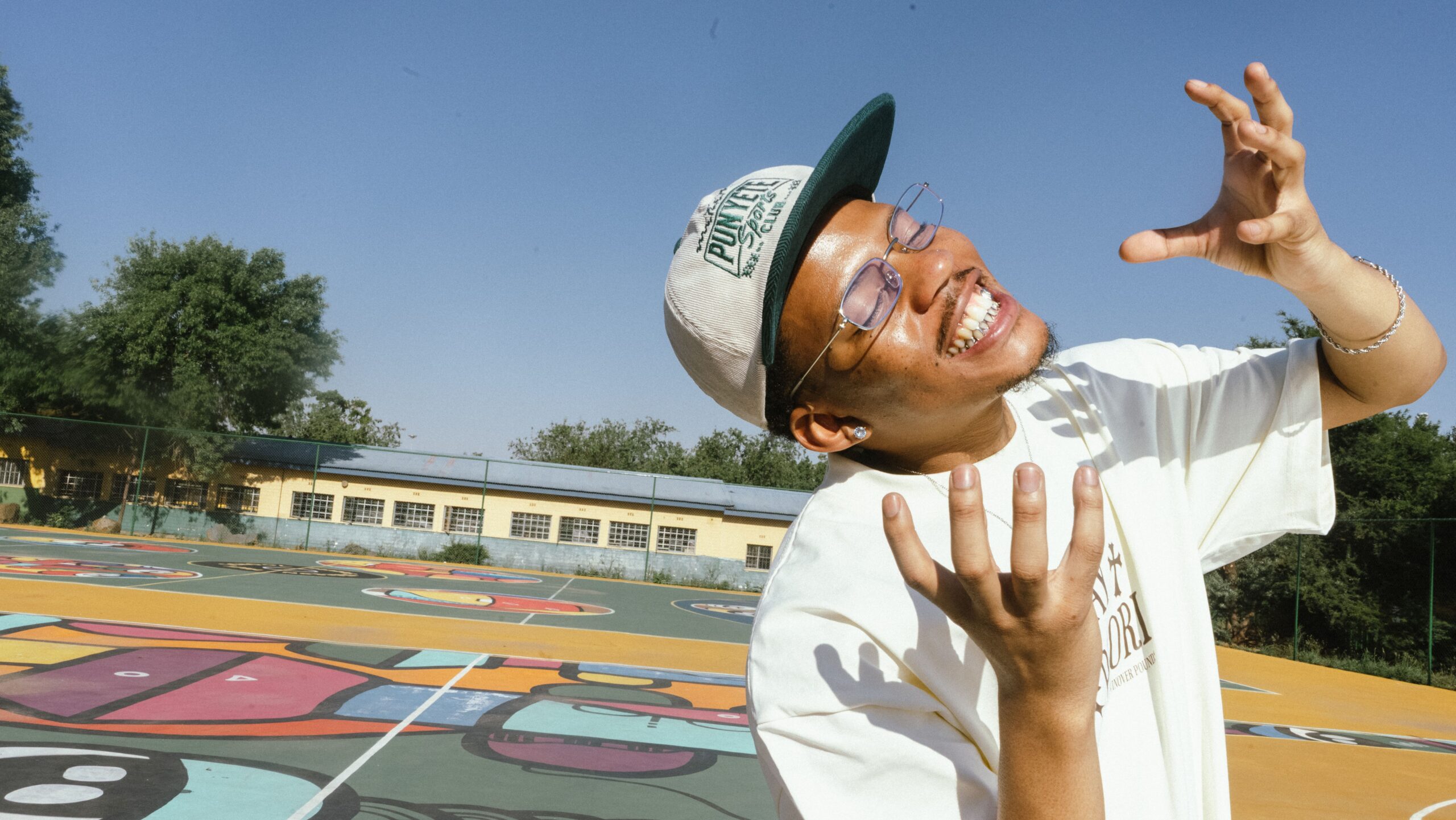
One of the reasons JUKEBOX ON CHANNEL O stood out on TV wasn’t just the cinematography or the performances, it was the fashion.
From oversized streetwear silhouettes to carefully styled underground designer pieces, the wardrobe direction helped transform the show from a simple performance platform into a full cultural experience. The styling gave every episode identity, mood, and authenticity.
On a platform like Channel O — a network historically tied to African music culture and youth identity — fashion plays a massive role in visual storytelling.
That consistency is what made the show feel like an actual TV property
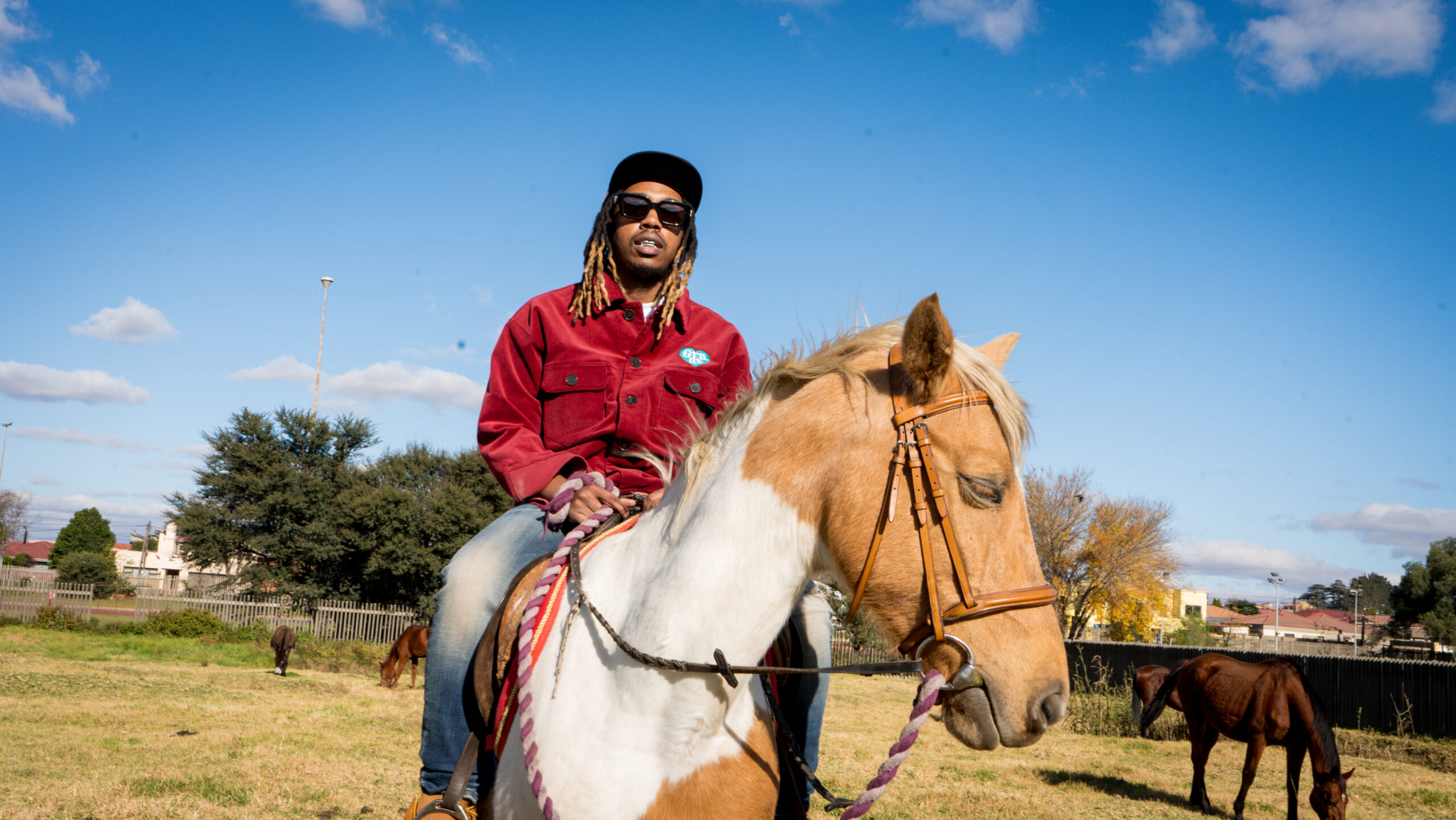
GRADE AFRICA
The Role of Grade Africa
One of the strongest fashion associations connected to the JUKEBOX ecosystem has been Grade Africa — a brand that represents the intersection between South African street culture and premium contemporary fashion.
Through collaborations and visual alignment with the platform, Grade Africa’s pieces added:
Texture, layering, stronger silhouettes, and aspirational identity. The oversized fits, clean monochrome palettes, technical garments, and modern African streetwear aesthetics helped artists appear more established and internationally aligned on screen.
More importantly, the wardrobe choices created consistency across episodes. Even though every artist had their own identity, the visual styling still felt connected to the larger JUKEBOX universe.
That consistency is what made the show feel like an actual TV property instead of disconnected performance clips.
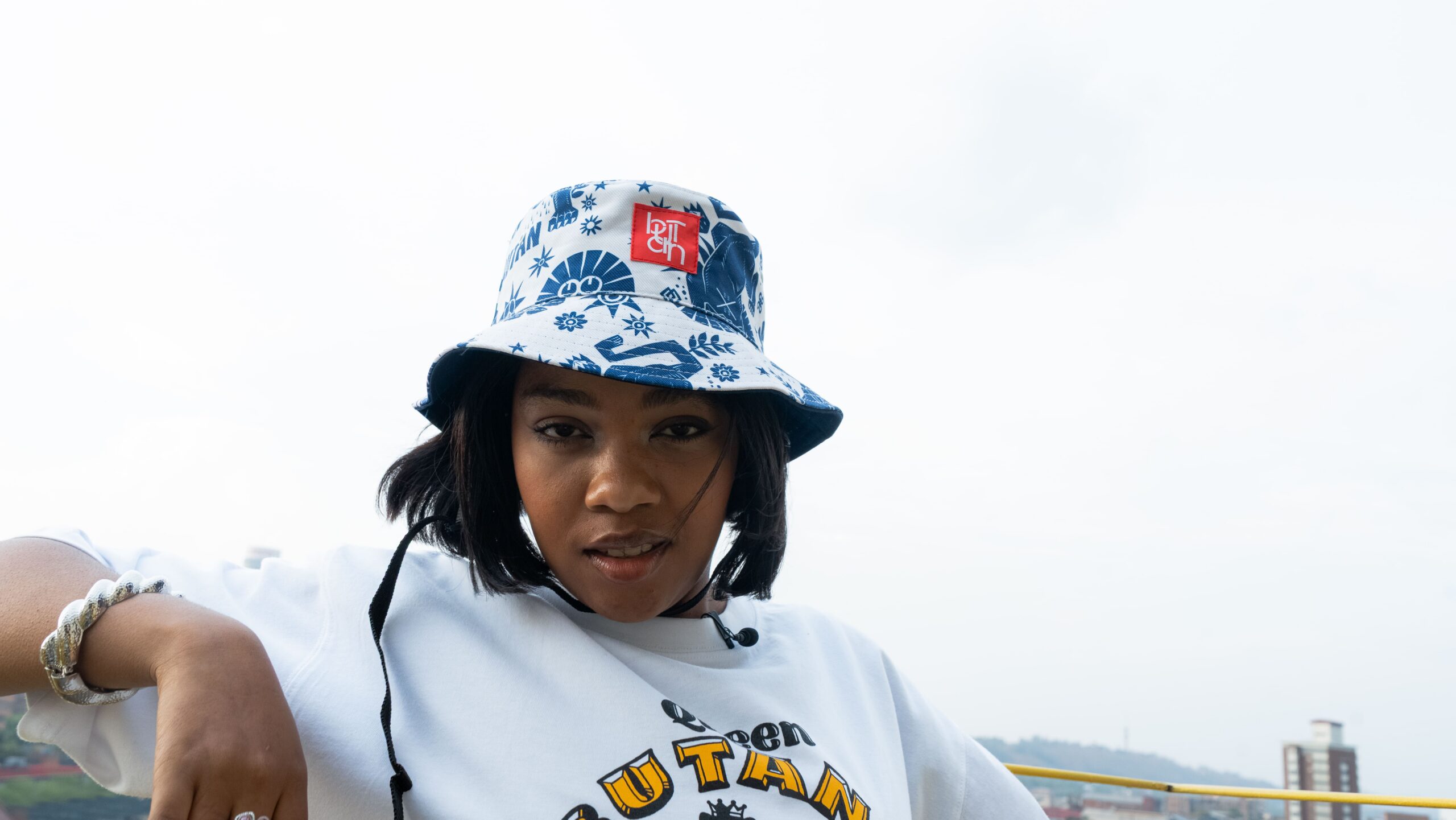
BUTAN — The Street Uniform of Rebellion on JUKEBOX
Among the fashion brands shaping the visual identity of JUKEBOX Season 1, BUTAN emerged as one of the most culturally aligned with the platform’s raw energy and underground spirit.
The brand’s aesthetic — bold graphics, oversized silhouettes, distressed textures, and unapologetic street attitude — matched the emotional tone of the performances perfectly. On camera, BUTAN pieces added edge and unpredictability, helping artists feel less like television performers and more like cultural disruptors.
What made BUTAN effective within the JUKEBOX environment was its authenticity. The clothing never looked overstyled or forced. Instead, it reflected the realities of South African youth fashion — expressive, rebellious, and rooted in individuality.
Visually, the brand added:
aggressive silhouettes that strengthened artist presence,
layered textures that elevated lighting and cinematography,
and statement graphics that translated strongly on screen.
The result was a production that felt alive, modern, and deeply connected to underground culture.
More importantly, BUTAN helped communicate a key message about JUKEBOX: this was not corporate television pretending to understand youth culture. It was youth culture documenting itself in real time.
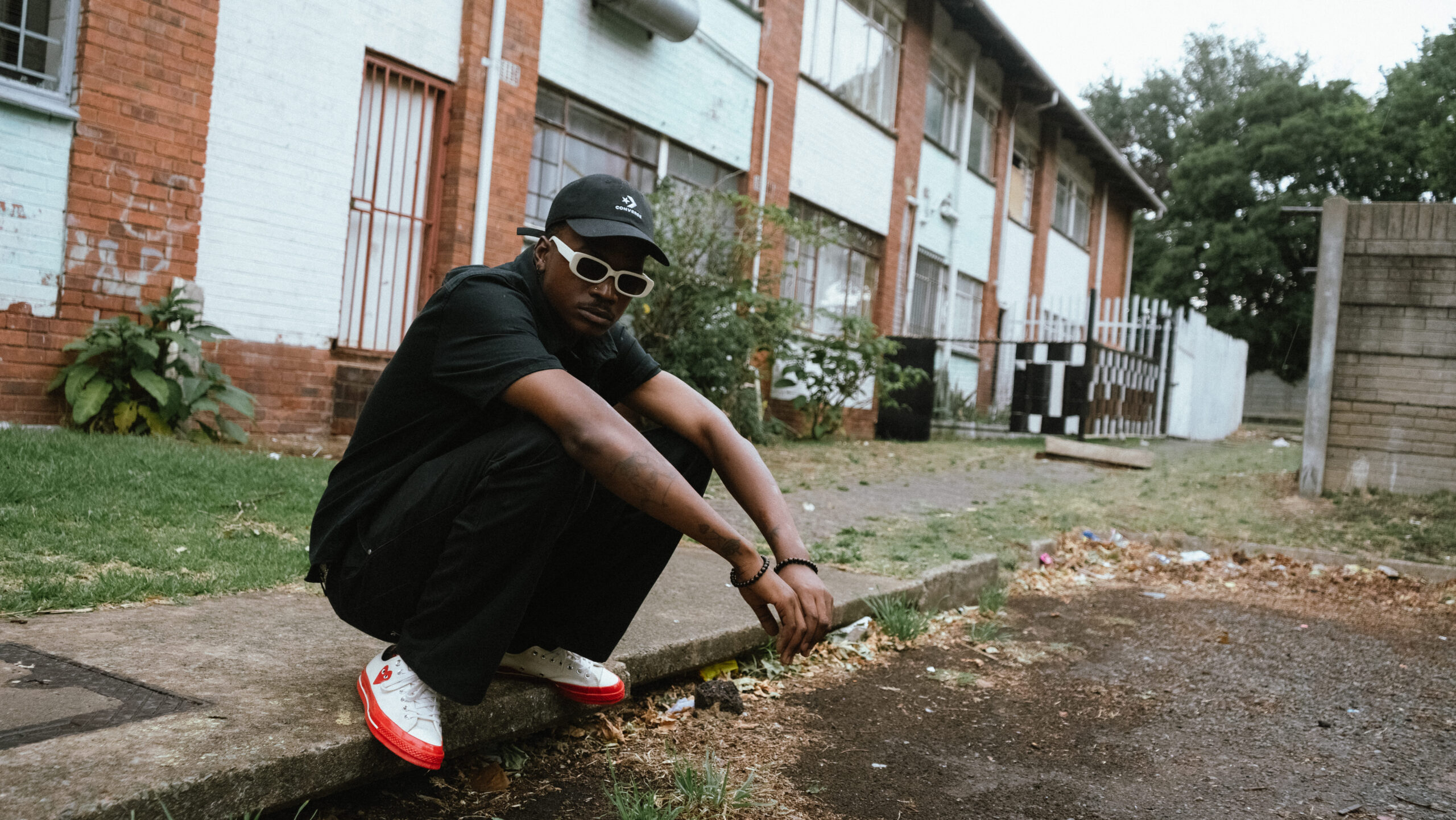
CONVERSE — A Timeless Symbol of Music Culture
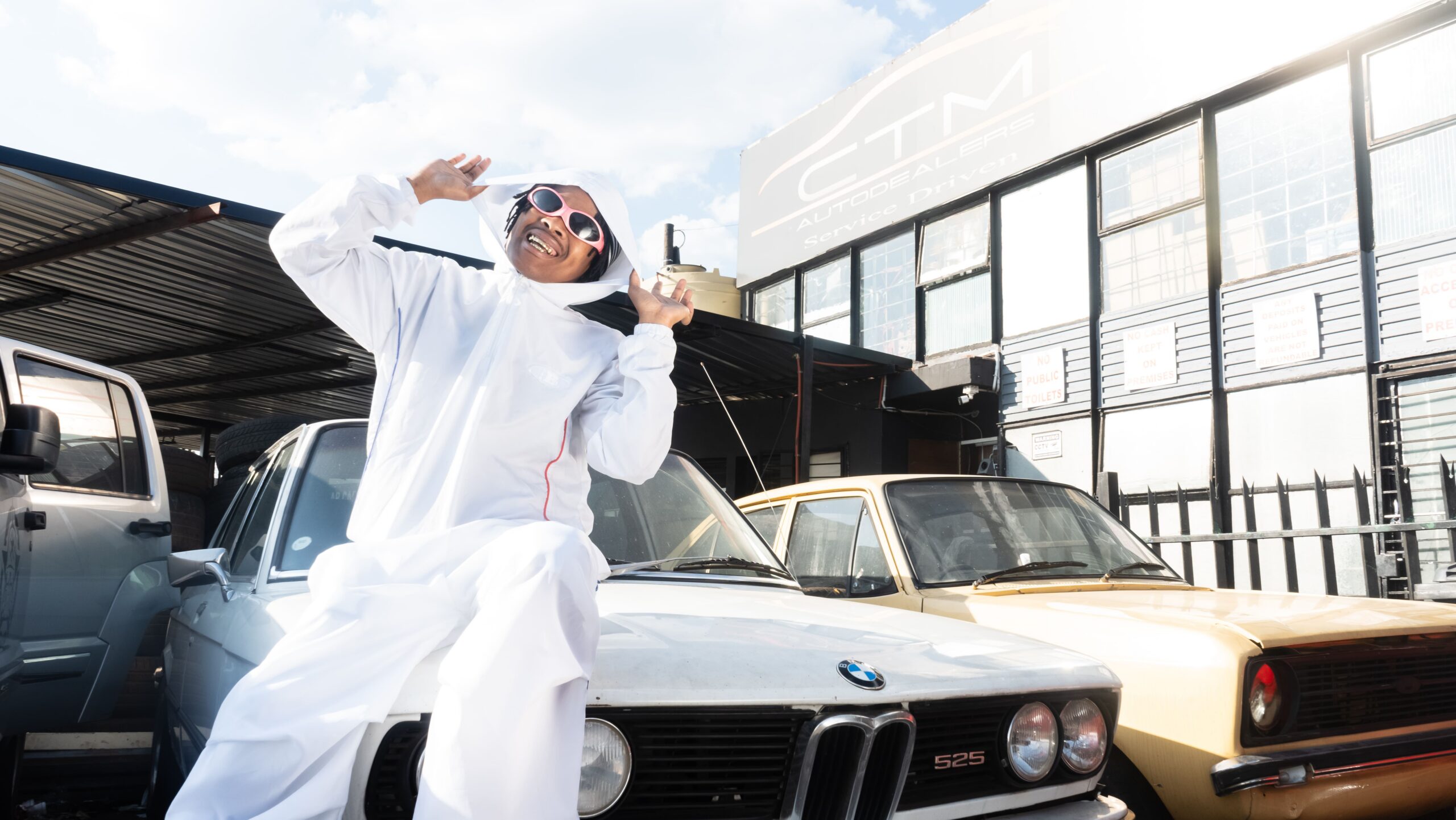
BRTHEEHOOD444 — Community, Identity & Underground Expression
BRTHEEHOOD444 brought something emotionally important to the JUKEBOX fashion landscape: identity-driven storytelling.
The brand represents more than clothing. It represents belonging, creative brotherhood, and the emotional side of underground culture. Within the series, the garments carried an energy that felt intimate and community-rooted rather than purely commercial.
Visually, BRTHEEHOOD444 contributed softer but emotionally resonant aesthetics:
washed fabrics, layered neutral palettes, symbolic graphics and relaxed silhouettes.
These styling choices gave certain performances vulnerability and realism — an important contrast to the harder streetwear influences seen elsewhere on the platform.
In production terms, the brand helped create an emotional dimension.
Not every artist on JUKEBOX needed to appear aggressive or larger-than-life. Some performances benefited from introspection and authenticity, and BRTHEEHOOD444’s styling supported that beautifully.
The brand reinforced one of the strongest aspects of JUKEBOX: the platform allowed artists to visually express who they really were.
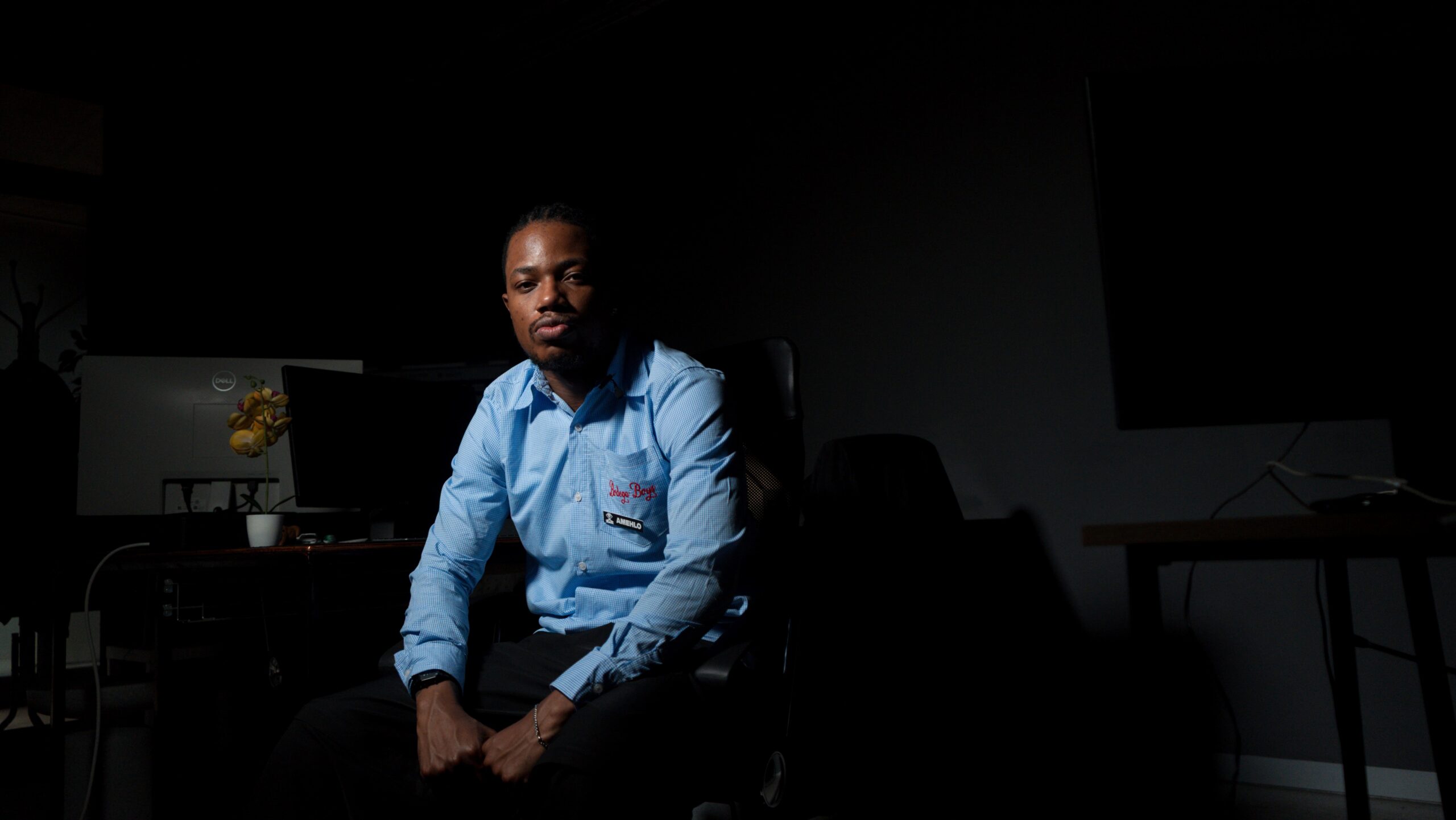
BODEGA BOYS — The Energy of Modern Urban Culture
Bodega Boys injected JUKEBOX Season 01 with contemporary urban energy and internet-era fashion confidence.
The brand’s styling language — bold layering, playful graphics, statement pieces, and youth-driven silhouettes — aligned perfectly with the fast-moving digital culture surrounding modern music discovery.
What made Bodega Boys impactful on screen was movement. Beyond aesthetics, Bodega Boys represented the evolution of local fashion culture itself. The brand reflected how South African youth are blending global streetwear influences with local identity, creating something unique to this generation.
Within JUKEBOX, that translated into a visual language that felt current, connected, and globally aware without losing its South African authenticity.
And ultimately, that’s what made the fashion ecosystem around JUKEBOX Season 01 so powerful — every brand contributed to building a believable cultural universe where music, fashion, identity, and storytelling existed as one experience.