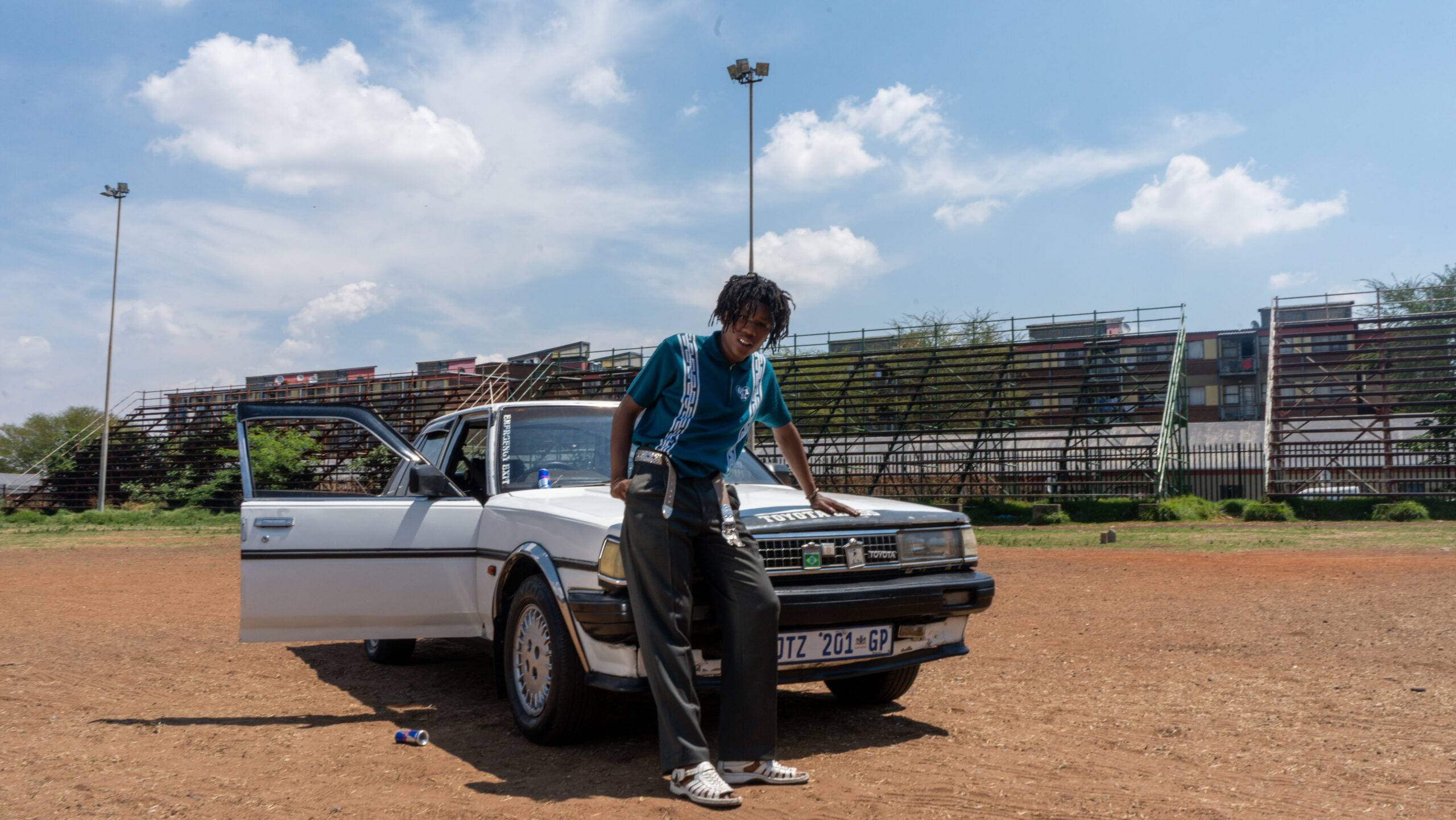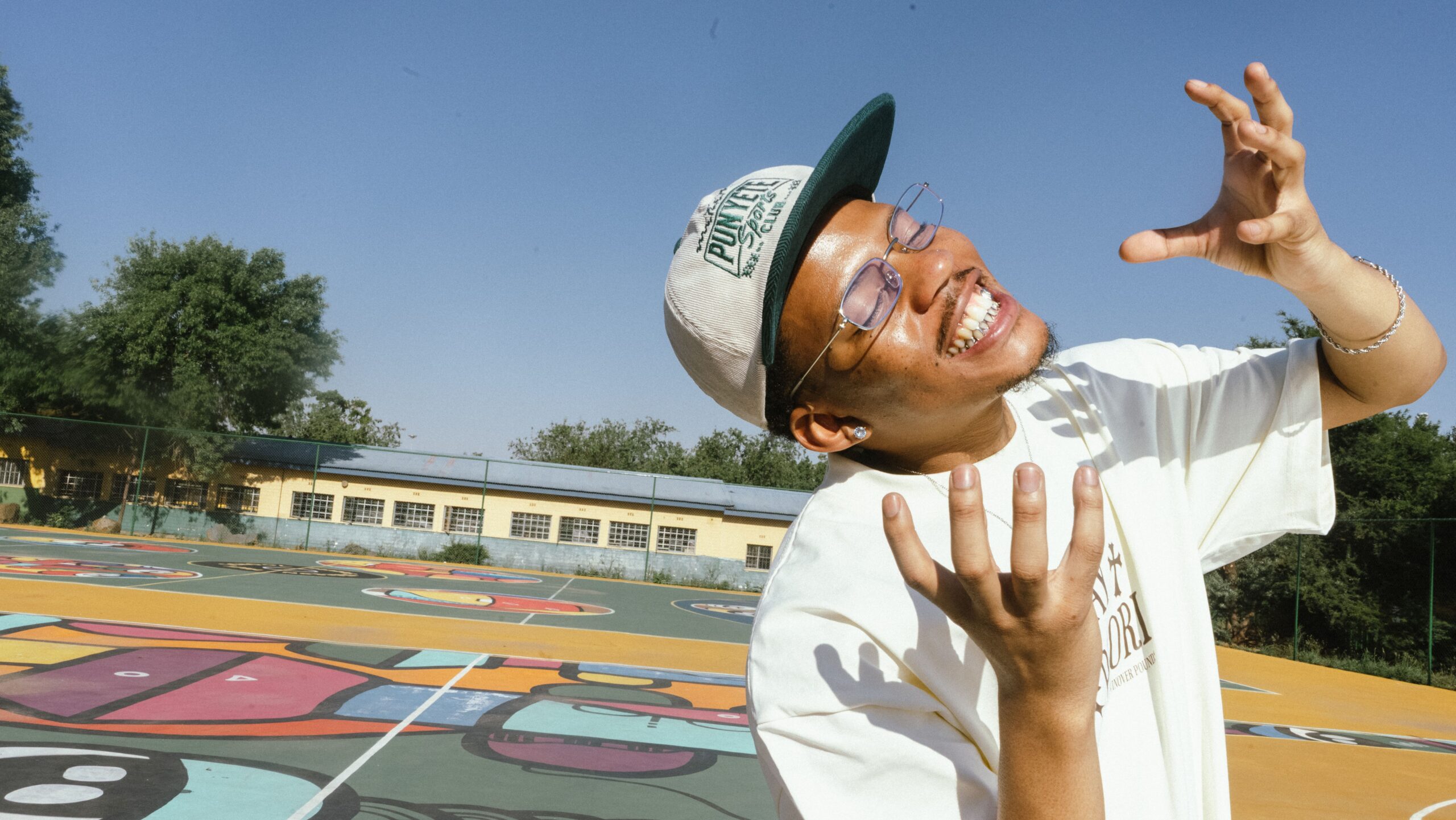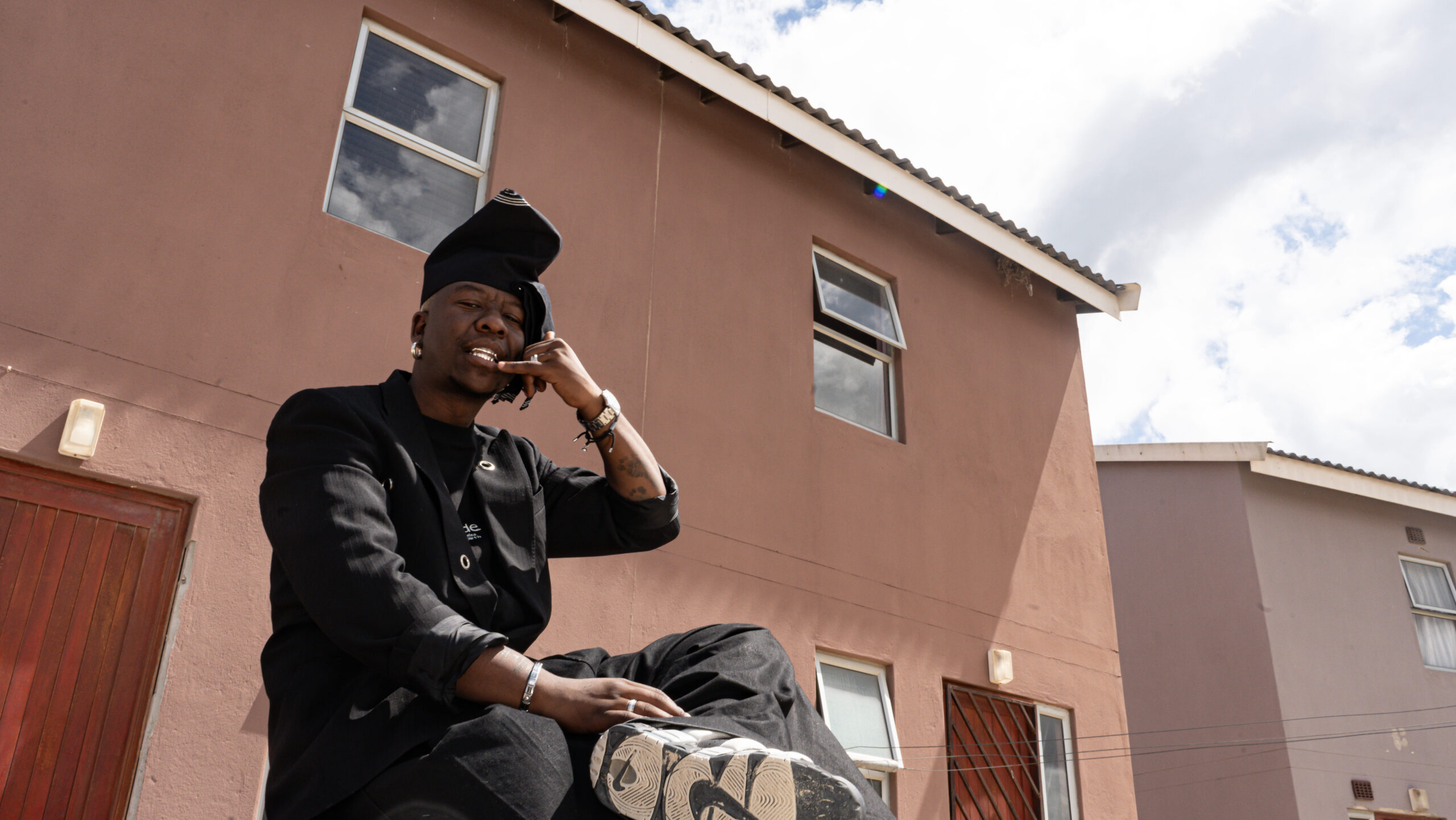



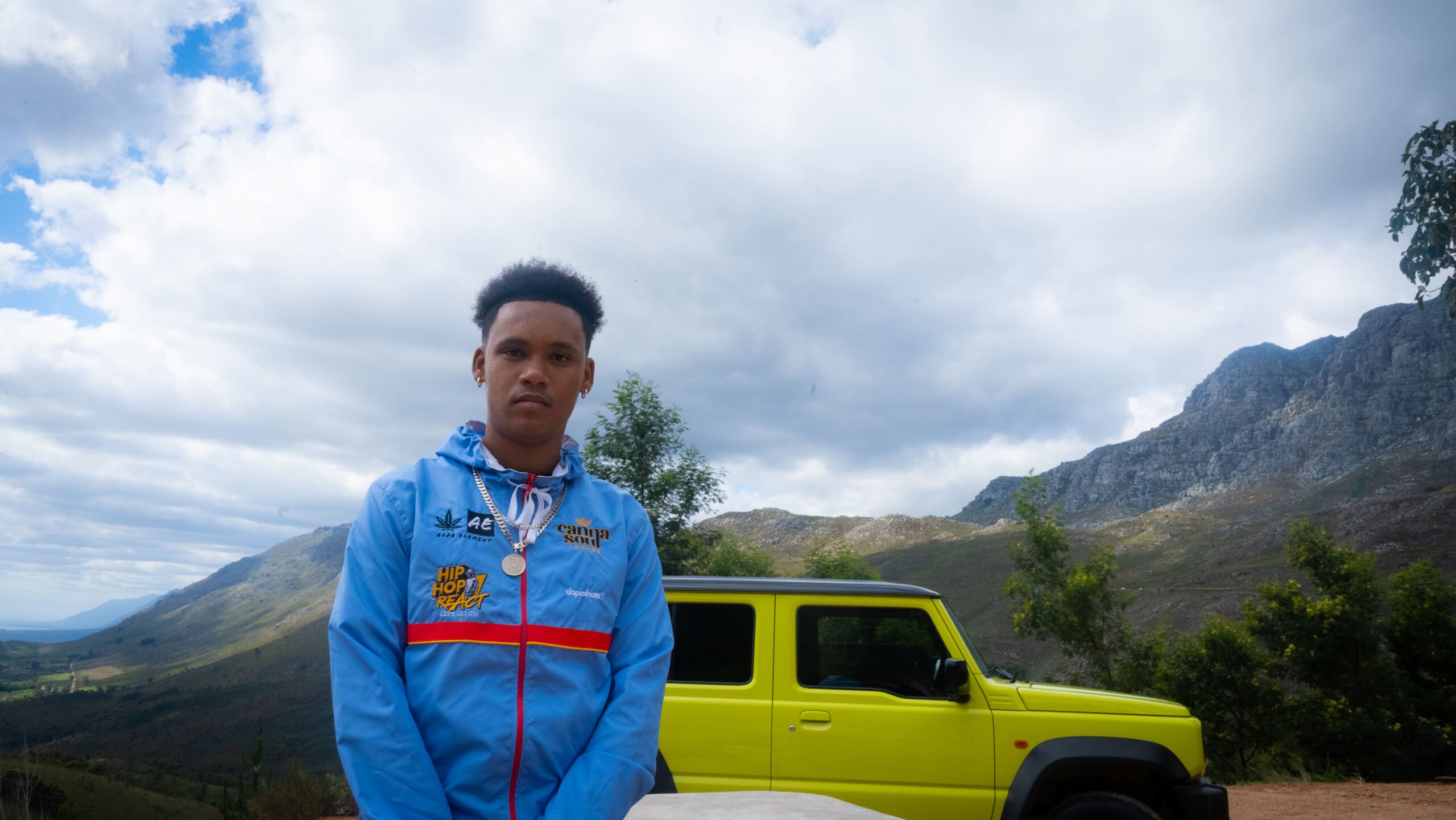
Behind every successful television production is an invisible system of logistics, coordination, and movement. While audiences experience the glamour, performances, and cinematic storytelling on screen, productions like JUKEBOX Season 1 on Channel O rely heavily on transportation infrastructure to function smoothly.
That’s where Suzuki South Africa naturally aligned with the JUKEBOX ecosystem.
As a brand deeply connected to accessibility, mobility, and youth culture in South Africa, Suzuki represented more than transport — it represented momentum. Across Season 1, vehicle logistics became an essential part of keeping artists, crew, equipment, and production schedules moving efficiently across different environments.
Reliable transportation becomes critical when working within tight television schedules.
Suzuki’s reputation in South Africa has been built largely around practicality, fuel efficiency, affordability, and reliability — qualities that made the brand a believable fit within a fast-paced production environment. The company has grown rapidly within the South African market through its positioning around accessible mobility and dependable everyday driving. For JUKEBOX, that practical functionality translated directly into production efficiency.
Mobility as Part of Youth Culture
What made Suzuki’s association with JUKEBOX especially effective was cultural relevance.
Unlike luxury automotive brands that can sometimes feel disconnected from underground creative culture, Suzuki vehicles already exist naturally within the lives of many young South Africans
That familiarity made the partnership feel authentic rather than aspirational in an unrealistic way. The vehicles complemented the visual identity of JUKEBOX because they reflected movement, hustle, and accessibility — core themes within the platform itself.